
All Projects
The complete set of case studies: deep learning on astrophysical signals, time-series forecasting, statistical modeling of survey data, client web development, geospatial climate analysis, and sustainable materials engineering.

ElectroniScript Website Development
Designed and built electroniscript.com, the live production site for Personal Supercomputing Systems, a Boston vendor of reconditioned GPU servers and workstations for research computing.
- Built a responsive, accessible multi-page site with home, systems, software, about, and quote request pages.
- Structured dense hardware specifications into scannable comparisons buyers can act on.
- Handled the full delivery path (design, build, deployment, and handover) as the sole developer.
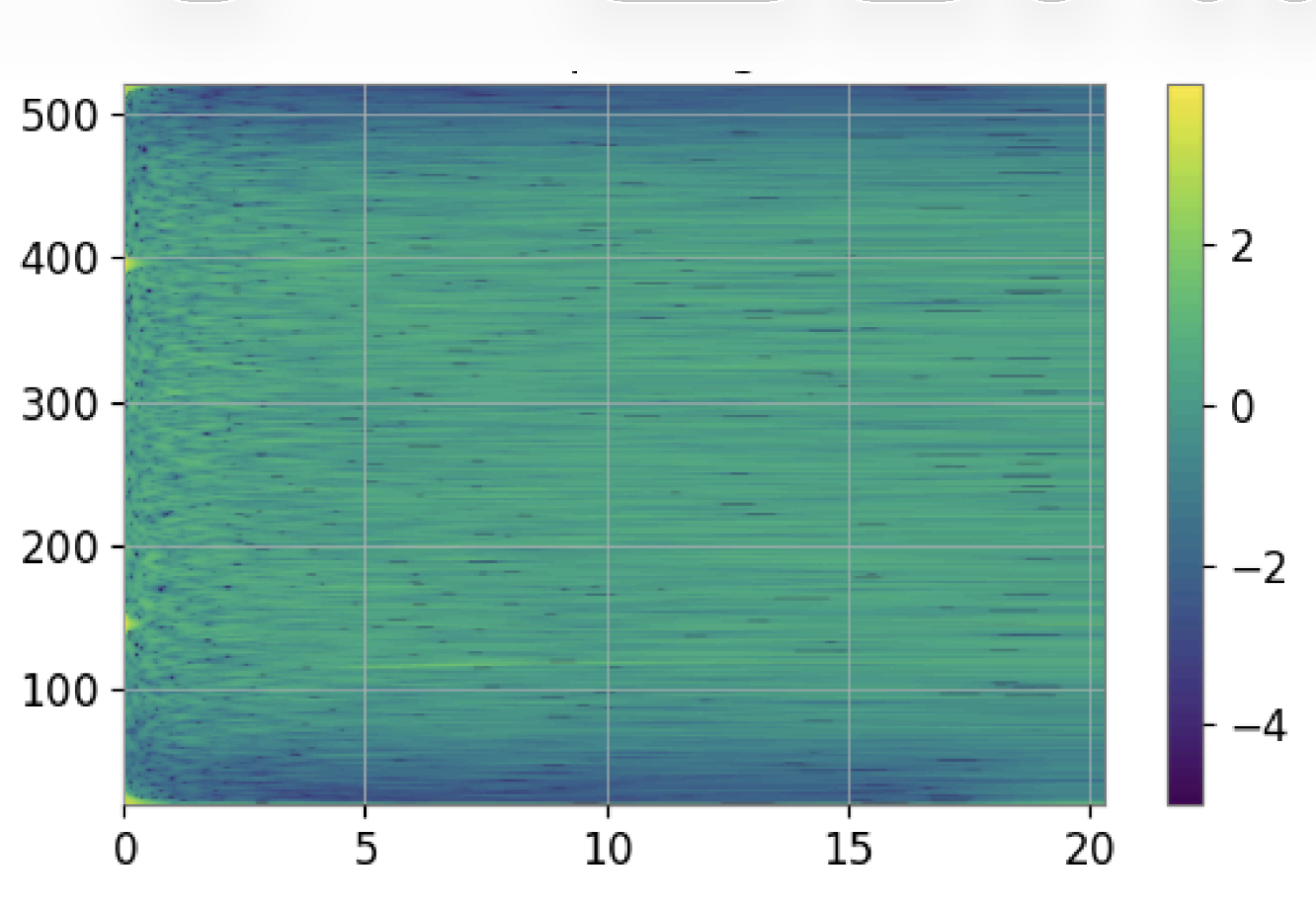
Detecting Gravitational Waves with CNNs
Developed a deep learning system that distinguishes gravitational wave signatures inside noisy LIGO GWOSC data, making astrophysical detection reproducible for research collaborators.
- Implemented wavelet transforms and spectral analysis to boost signal-to-noise ratios pre-training.
- Built a CNN architecture that identifies BBH, BNS, and NSBH events and surfaced GW170817 with 90% confidence.
- Delivered interpretability through Grad-CAM overlays so scientists can validate each detection.
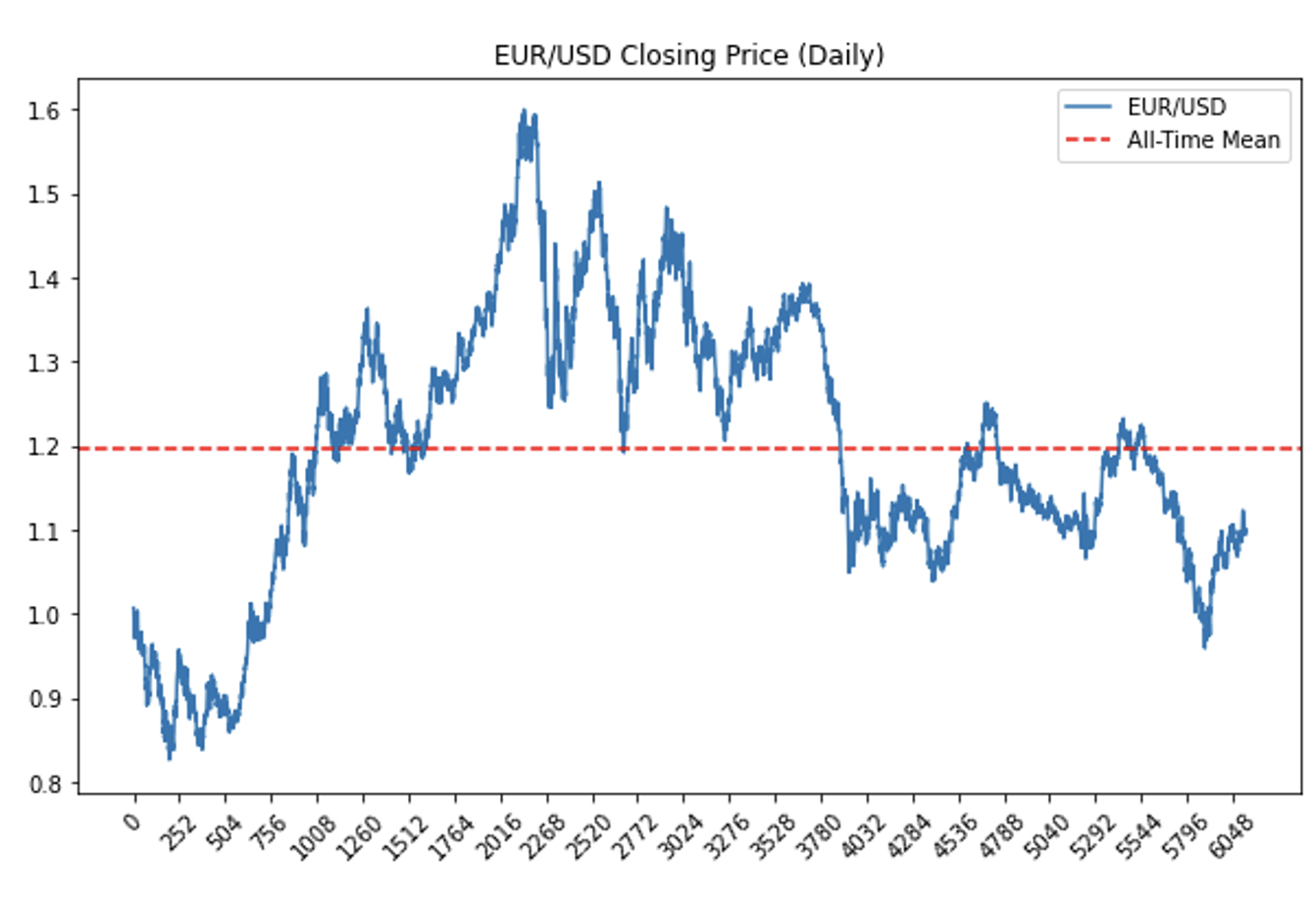
Foreign Exchange Rate Forecasting
Engineered a hybrid forecasting workflow for EUR/USD that combines classical statistics with deep learning to surface actionable trading signals.
- Analyzed 6,119 daily observations, motivated by the Meese-Rogoff Puzzle, against a random-walk baseline.
- Benchmarked SARIMAX, dense and LSTM networks, CNNs, and Prophet using TensorFlow, Keras, and statsmodels.
- Evaluated accuracy via rolling-window cross-validation with RMSE, MAE, and directional accuracy metrics.
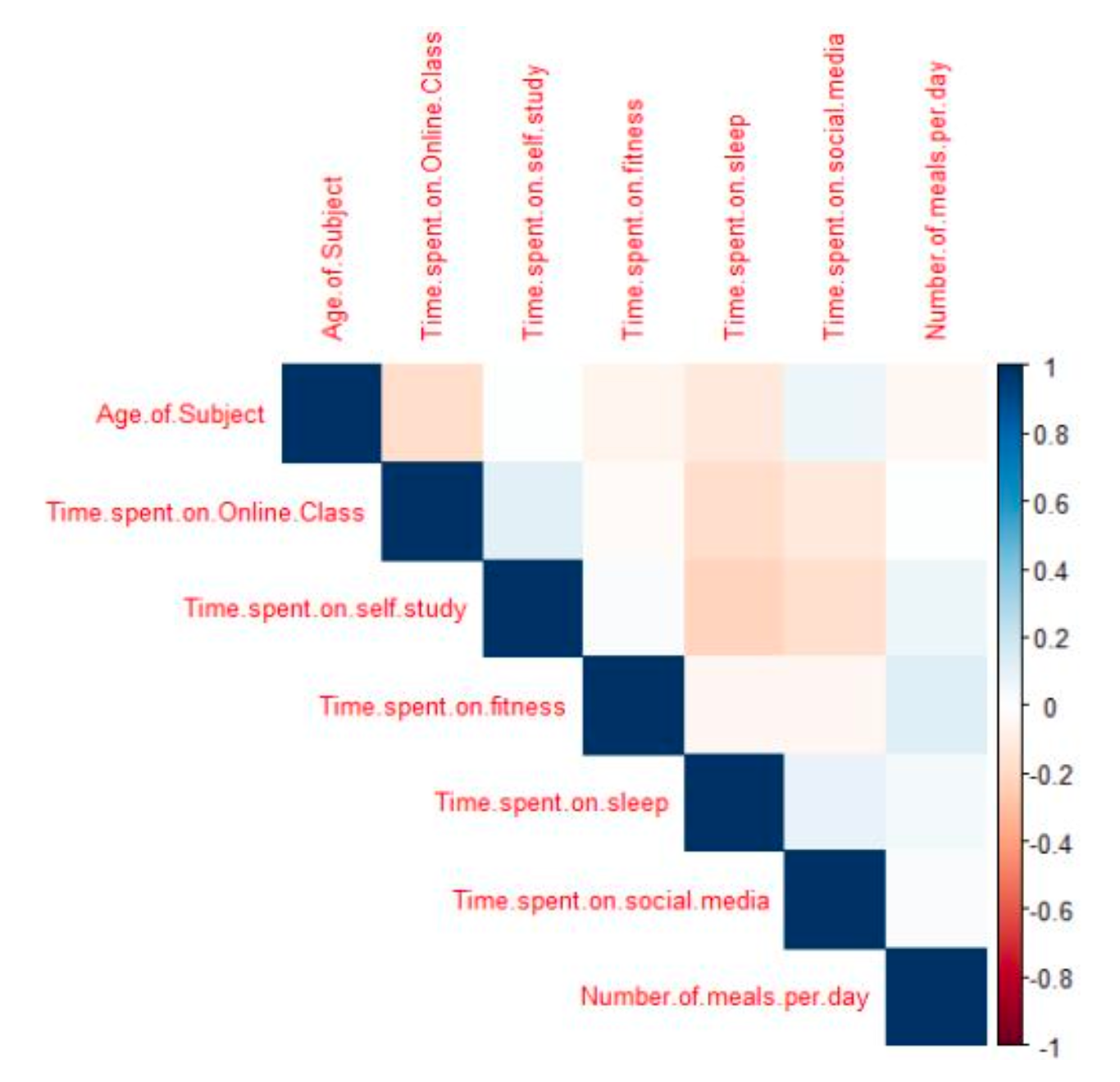
COVID-19 Impact on Student Behavior
Modeled how lockdown time-allocation, digital behavior, and health outcomes interact across 1,182 student survey responses to surface what actually protected wellbeing.
- Applied chi-square tests, ANOVA, and logistic and ordinal regression in R to predict weight change and learning satisfaction.
- Resolved missing values and categorical inconsistencies to validate survey data quality before modeling.
- Found physical activity to be a critical protective factor and tablet users to report the highest engagement.
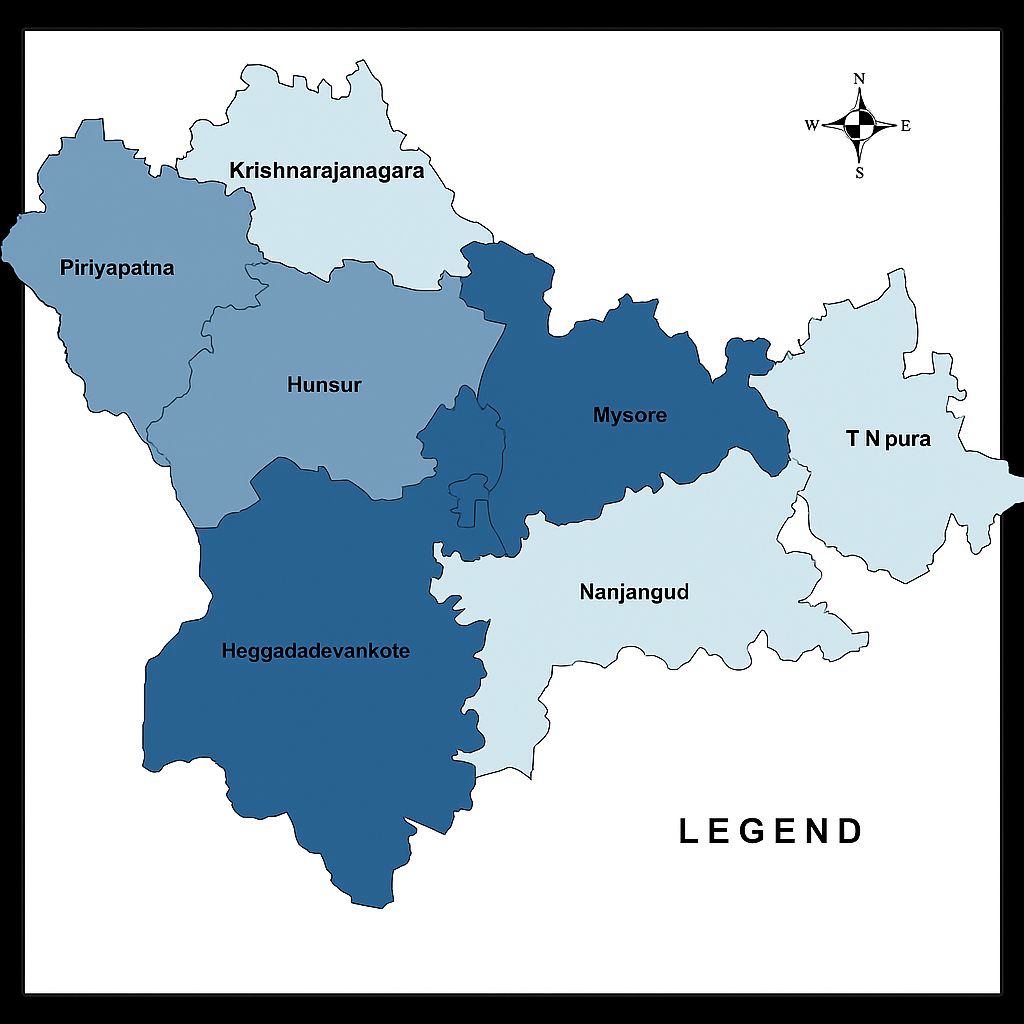
Geospatial Climate Infrastructure Analysis
Performed ArcGIS/QGIS analysis on 30 years of rainfall data for Mysore District using IDW, SPI, and CV to assess climate variability and inform urban infrastructure planning.
- Applied IDW interpolation to generate continuous rainfall surfaces from station data (1990–2018).
- Computed SPI and coefficient of variation to identify drought patterns and variability hotspots.
- Integrated field data, spatial/non-spatial datasets, and overlay analysis to produce planning maps.
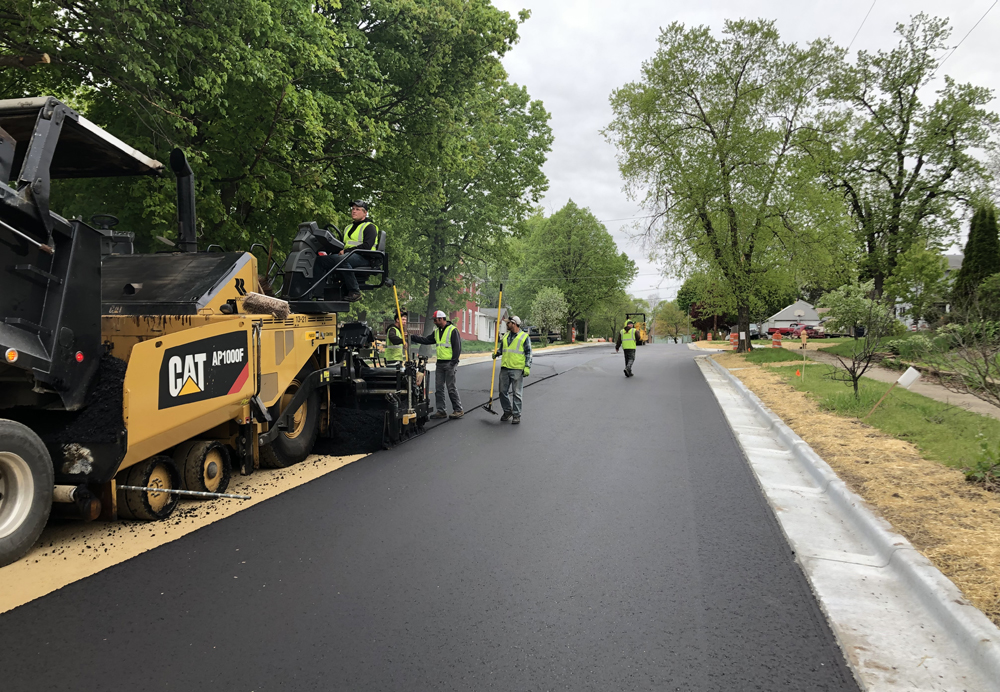
Recycled Materials for Road Construction
Evaluated Reclaimed Asphalt Pavement (RAP) in Dense Bituminous Macadam mixes; identified an optimal 30% RAP design achieving 19.88 kN Marshall stability as a cost-effective, sustainable alternative.
- Conducted specific gravity, impact, crushing, and Los Angeles abrasion tests.
- Designed DBM mixes with 0–40% RAP and 4.5–5% bitumen; performed Marshall analysis.
- Recommended 30% RAP mix meeting standards while reducing cost and virgin aggregate use.